
Ukraine pushes tighter Telegram regulation, citing Russian recruitment of locals
Senior Ukrainian officials called for tighter regulation of the messaging app Telegram, saying it is frequently used by Russia to recruit Ukrainians for sabotage and terrorist attacks amid the ongoing war.
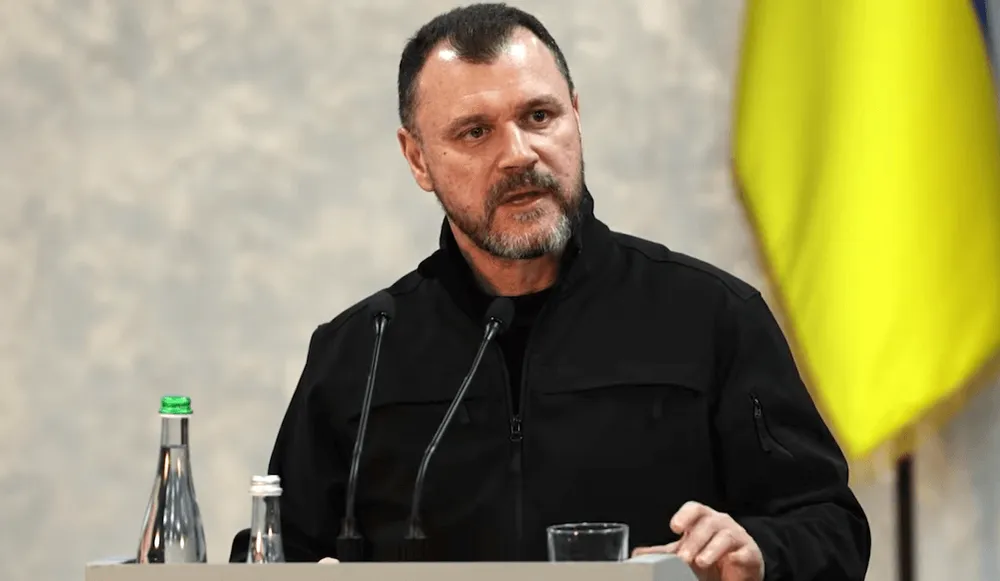
Interior Minister Ihor Klymenko said at a press briefing on Monday that Russian intelligence is increasingly using the app to recruit individuals for sabotage attacks inside Ukraine.
Ivan Rudnytskyi, deputy head of the Security Service of Ukraine (SBU), said at the same briefing that law enforcement agencies and state institutions should strengthen regulation to prevent online platforms from being used for criminal and terrorist activity.
Their comments came after a deadly overnight attack in the western city of Lviv on February 22 that killed a 23-year-old police officer and injured 25 others. President Volodymyr Zelenskyy said Russia organized the attack and that the perpetrators had been recruited through Telegram.
Following the incident, Iryna Vereshchuk, deputy head of the presidential office, proposed restricting Telegram and other anonymous online platforms, arguing that limiting certain functions could be necessary to protect national security.
“Once again, we see the enemy systematically using Telegram to recruit terrorists, coordinate their activities, and carry out attacks,” Vereshchuk said. “If limiting the capabilities of these platforms is necessary to protect people’s lives and national security, then we must do so.”
Ukrainian lawmakers have also raised concerns. Speaking at the Kyiv International Cyber Resilience Forum last week, Yaroslav Yurchyshyn, head of parliament’s Committee on Freedom of Speech, described Telegram as a “Russian weapon,” arguing that the platform is being used to commit crimes against national security, including involving minors.
Yurchyshyn suggested Ukraine should either ban the platform or force it to comply with European regulatory standards.
Ukrainian officials have warned about Telegram’s risks before. In February 2024, Ukraine’s military intelligence agency said the platform posed security threats and that authorities needed to explore ways to address them. But so far, the government has not specified what concrete measures it plans to adopt — or whether it intends to block the platform outright.
Telegram remains widely used in the country by both politicians and civilians, who rely on the platform to receive alerts about possible Russian strikes and even track the movement of Russian drones and missiles in real time.
Attention on Durov
Telegram has also faced scrutiny in Russia, where authorities have accused the platform of failing to cooperate with law enforcement. Russia’s Federal Security Service (FSB) said earlier this month that Telegram’s use in areas of military operations posed risks to Russian troops, claiming Ukrainian intelligence could obtain information via the app.
Russian authorities have also launched a criminal investigation into Telegram founder Pavel Durov on accusations related to the alleged facilitation of terrorist activities, according to state-run media reports. Kremlin officials said authorities were responding to what they described as Telegram’s unwillingness to comply with Russian laws and regulators.
Durov has previously denied such accusations, saying Russia is trying to restrict access to Telegram in order to force its citizens to switch to a state-controlled app built for surveillance and political censorship.



Daryna Antoniuk
is a reporter for Recorded Future News based in Ukraine. She writes about cybersecurity startups, cyberattacks in Eastern Europe and the state of the cyberwar between Ukraine and Russia. She previously was a tech reporter for Forbes Ukraine. Her work has also been published at Sifted, The Kyiv Independent and The Kyiv Post.